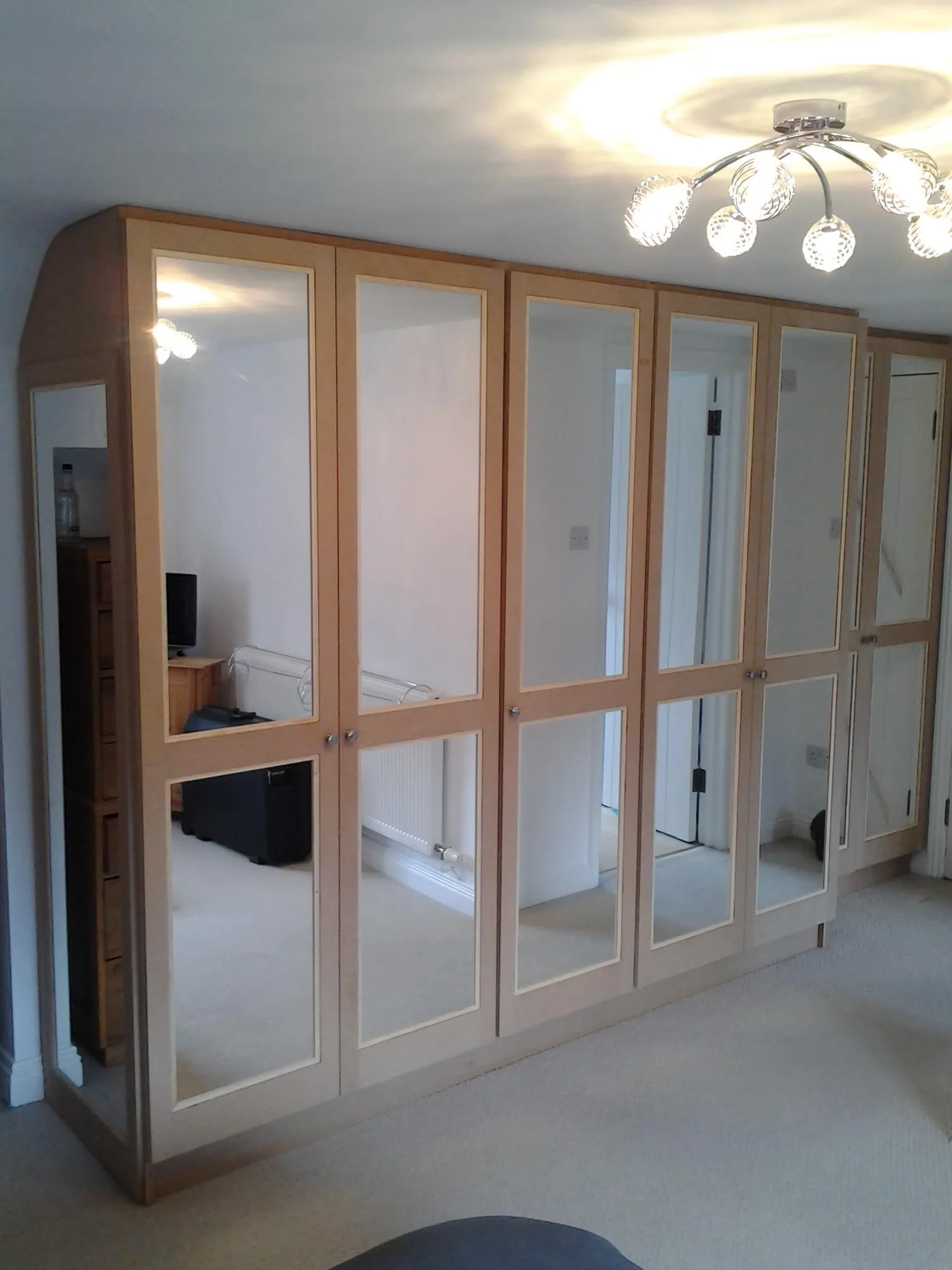
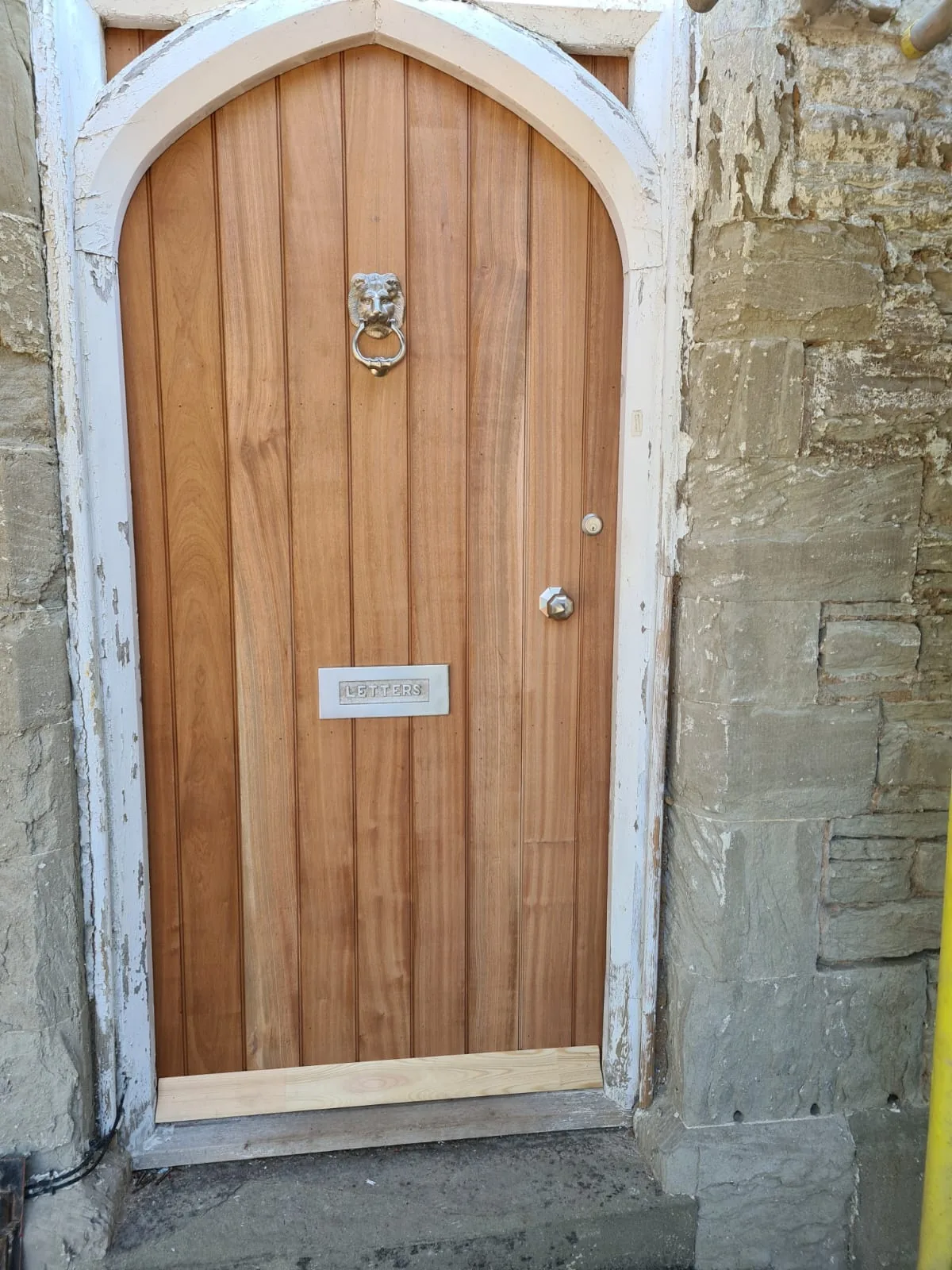
Older homes around Gloucestershire have joinery in them that simply isn't made any more. Hand-worked mouldings, solid timber doors with proper panels, box sash windows that have lasted a century and a half. When something starts to fail, the first instinct is often to rip it out and fit new. Most of the time that is the wrong call. This guide walks through how I assess original joinery, when a repair is the honest answer, and when replacement genuinely makes more sense. I have been doing this kind of work since I started my apprenticeship in the early 1990s, and a lot of those years have been spent on renovation and listed-building projects.
Why Original Joinery Is Worth Saving
Original timber in a period property was usually slow-grown softwood or good hardwood, dense and stable in a way that most modern stock is not. It has already proven itself by surviving decades of seasonal movement. That matters.
- Material quality: Tight-grained Victorian and Georgian timber resists rot and movement far better than fast-grown modern equivalents. Replacing it like-for-like in modern timber rarely matches the original.
- Character and proportion: The moulding profiles, panel arrangements and glazing bars on old doors and windows were set out by eye and by hand. They give a room its proportions. A modern off-the-shelf replacement almost always looks slightly wrong next to original work.
- Value: In period homes across the Cotswolds, buyers notice retained original features. Sympathetic restoration usually protects value better than wholesale replacement.
- It is often cheaper to repair: A localised repair to sound timber frequently costs less than a quality bespoke replacement, and you keep the original.
Assessing Doors, Staircases and Sash Windows
Before anyone talks about repair or replacement, the timber has to be assessed properly. A quick look from across the room tells you very little. I work through each element methodically.
- Doors: I check the stiles and rails for splitting, the joints for movement, and the bottom rail for moisture damage where it meets the threshold. Surface knocks and old paint build-up usually mean nothing. A door that has dropped is often a hinge or frame issue, not a reason to replace the door.
- Staircases: Creaks, a loose handrail or worn treads are repairable in most cases. I look at the strings, the newel posts and how the balustrade is fixed. Structural decay in a string is more serious, but it is still often a let-in repair rather than a new staircase.
- Box sash windows: The usual issues are perished cords, painted-shut sashes, draughty meeting rails and decay to the bottom rail and cill. The box frame itself is frequently sound even when the sashes look tired. I probe suspect areas with a fine blade to find where solid timber stops and soft timber begins.
Probing the timber is the part that tells the truth. Paint and filler can hide a lot. Once I know exactly how far any decay goes, the repair decision becomes straightforward rather than guesswork.
Period Joinery That Needs Attention?
I cover Gloucestershire, including Stroud, Cheltenham and Cirencester. Send me the details and I will give you an honest assessment and a free quote.
Get a Free QuoteThe Repair Versus Replace Decision
The principle I work to is simple: keep as much original timber as possible, and only replace what genuinely cannot be saved. Most period joinery falls into one of these categories.
- Let-in repairs: Where rot or damage is localised, the decayed section is cut out cleanly and a new piece of seasoned timber is spliced in, then shaped and finished to match. Done well, a let-in repair is invisible once painted and is structurally as good as the original.
- Splicing new timber: For sash bottom rails, door bottom rails and cills, I splice in matching timber on a proper scarf joint rather than relying on filler. Filler is a short-term cosmetic fix on structural joinery and I do not treat it as a repair.
- Matching mouldings and profiles: Period mouldings are rarely standard. I match the original profile by hand or by working the timber to the existing section so a repaired or new piece sits correctly alongside the old work. Mismatched mouldings are the giveaway sign of a rushed job.
- When replacement is honest: If the timber is decayed beyond a sensible repair, if a component is structurally compromised, or if a previous repair has failed, replacement is the right answer. I will say so plainly rather than patch something that will not last.
Listed Buildings and Sympathetic Restoration
Plenty of the period homes I work on are listed or sit within conservation areas. The approach there is sympathetic restoration: like-for-like repair, matching timber, matching profiles, and retaining as much of the historic fabric as possible.
- Like-for-like: On listed work the aim is to repair using methods and materials that respect the original. New timber is matched to the existing, joints are made traditionally, and original components are kept wherever they can be saved.
- Consents: Listed building consent is the homeowner's responsibility to obtain where it is required, and the local conservation officer is the right point of contact for that. What I can promise is that the work itself is carried out to respect the building and to be appropriate for listed fabric.
- Reversibility and restraint: Sympathetic restoration means doing the least intervention needed to make the joinery sound and functional again, not modernising it.
I have spent a good part of my career on renovation and listed-building projects across Gloucestershire, so this way of working is second nature rather than something I have to think my way around.
Making Non-Standard Doors and Box Sash Windows
Where a component is genuinely beyond repair, the replacement has to be made to suit the building, not bought off a shelf. Period openings are almost never a standard size or profile.
- Non-standard doors: I make solid timber doors to the original size, panel layout and moulding profile so a replacement reads the same as the doors that remain on the rest of the house. That includes matching panel proportions and any bolection or stuck mouldings.
- Box sash windows: I make replacement box sash windows where they are needed, including the box frame, the sashes, new cords and weights balanced to the sash, parting bead and staff bead. The aim is a window that operates properly and looks correct from the street.
- Matching the rest: Whether it is a single door or a window, a new piece is made to sit alongside the surviving original joinery without drawing the eye. That is the whole point of doing it properly.
Choosing the Right Carpenter
Restoration is a different skill set to new-build joinery. The questions worth asking before you let anyone near original timber are straightforward.
- Renovation experience: Ask whether they have actually worked on period and listed buildings, not just fitted new doors and stairs. I started my apprenticeship in the early 1990s and have spent years on renovation projects, so I know how old joinery behaves.
- A repair-first attitude: A good restoration carpenter wants to save the original and will only recommend replacement when the timber leaves no honest alternative. Be wary of anyone who reaches for replacement straight away.
- Matching ability: Ask how they match mouldings and profiles. If the answer is filler and a coat of paint, keep looking.
- Local knowledge: I work throughout Gloucestershire, including Stroud, Cheltenham and Cirencester, on exactly this type of property, so the timber and the issues are familiar.
If you have period joinery that needs work, the best starting point is a proper look at it. Call me on 07500 401312 or email armitagecarpentry@hotmail.com and I will tell you honestly what should be repaired and what genuinely needs replacing.
Frequently Asked Questions
Yes. I have spent years on renovation and listed-building projects across Gloucestershire and work to a like-for-like, sympathetic approach that respects the original fabric. Obtaining listed building consent where it is required is the homeowner's responsibility, but the work itself is carried out to be appropriate for a listed property, matching timber, joints and profiles to the existing.
Yes. Period doors are rarely a standard size, and the panel layout and mouldings are usually specific to the house. I make solid timber doors to the original dimensions, panel proportions and moulding profile so a replacement sits correctly alongside the doors that remain elsewhere in the property.
I do both. Many box sash windows only need the cords replaced, the sashes freed off, draughts addressed and a localised timber repair to the bottom rail or cill. Where a window is genuinely beyond repair I make a replacement, including the box frame, sashes, new cords and weights, parting bead and staff bead, so it operates properly and looks right.
I assess the timber properly first, probing past paint and filler to find where sound timber ends. If decay is localised I cut it out and splice in matching seasoned timber on a proper joint. I only recommend full replacement when the timber is decayed beyond a sensible repair or a component is structurally compromised, and I will tell you that plainly rather than patch something that will not last.